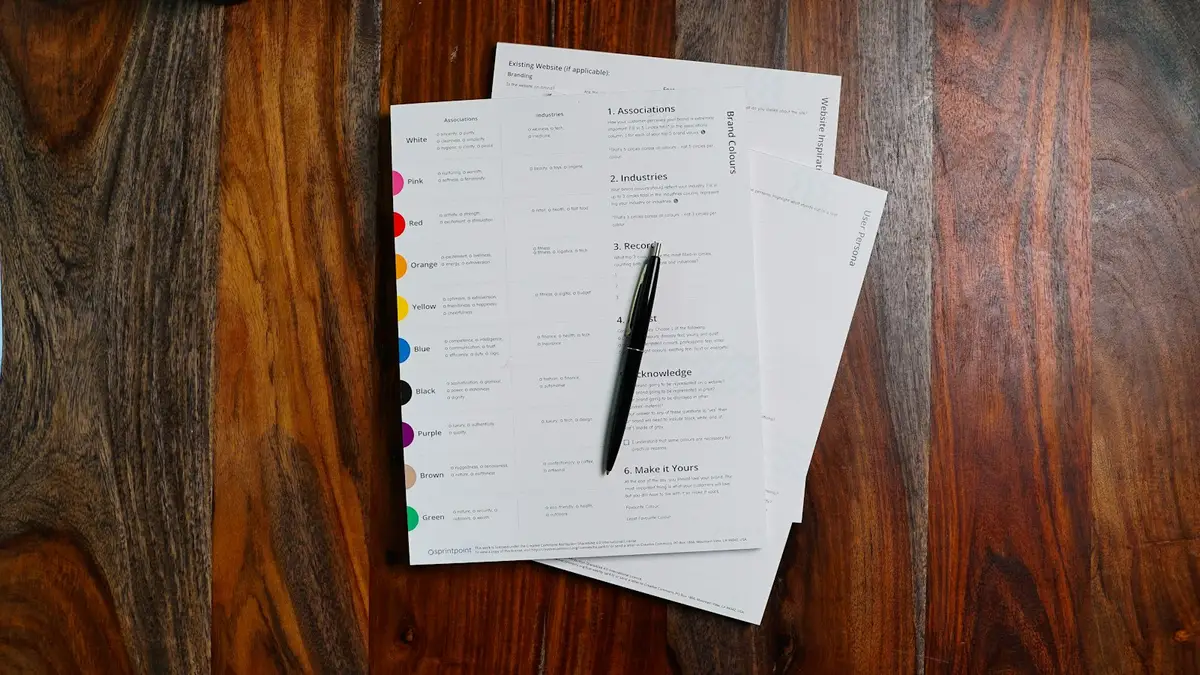
A good Salesforce implementation RFP describes the business problem, the people and processes in scope, your current systems and data, the integrations required, your constraints and how you will evaluate responses. It asks partners to explain their approach and assumptions, not just to name a price. The more concrete your description of users, data and integrations, the more comparable and reliable the bids you get back.
What an RFP is for, and what it is not
An RFP has two jobs: give qualified partners enough information to propose a realistic plan, and give your team a fair basis for comparing them. It is not the place to design the solution. When an RFP prescribes objects, fields and Flows in detail, partners either copy the design back to you or quietly price in the risk of a design they had no part in. Describe outcomes and constraints, and let the responses show you how each firm thinks.
Keep the document readable. A focused RFP that a partner’s solution architect can absorb in one sitting will get better answers than a long template full of boilerplate questions that do not apply to Salesforce.
Sections to include
| Section | What to include | Why partners need it |
|---|---|---|
| Company background | What you sell, how you are organized, locations and any regulatory requirements | Shapes the data model, sharing design and compliance approach |
| Business goals | The problems to solve and how you will judge success | Lets partners prioritize and propose a sensible first phase |
| Scope: teams and processes | Which teams go live, their main processes, and anything explicitly out of scope | The biggest single input to effort and timeline |
| Users and roles | Approximate user numbers by role and region, plus who approves what | Drives security design, training and license planning |
| Current systems | The CRM, spreadsheets and tools being replaced, and what stays | Defines migration sources and change management needs |
| Data | Objects and history to migrate, rough volumes, known quality problems | Data work is often the most underestimated part of a quote |
| Integrations | Each system, the direction of data flow, frequency and the owner | Each integration needs its own design and test effort |
| Constraints | Target dates, blackout periods, budget approach, internal availability | Tells partners what trade-offs are acceptable |
| Response requirements | Required format, questions to answer and the evaluation criteria | Makes responses comparable |
| Process and timeline | Key dates, the question window, demo expectations and the decision date | Lets partners staff their response properly |
Information partners need to quote accurately
Most unreliable quotes come from missing facts, not from bad intentions. Before you release the RFP, gather:
- A short description of each process in scope, such as lead to opportunity or case intake to resolution, including the exceptions that happen often.
- Current reports and dashboards leadership actually uses, since they reveal the data model you need.
- Record volumes by object and how many years of history you want to keep.
- A list of integrations with the system name, what data moves, how often and whether an API or middleware already exists.
- Any Salesforce org you already have, with its edition and a note on what is built in it.
- Security, privacy or industry requirements that affect who can see which records.
- Who on your side will make decisions, test the system and be trained, and how much time they can give.
- Whether you want the partner to provide support after go-live.
Running the evaluation
A structured process protects you from choosing on presentation skills alone. A workable sequence:
- Build a shortlist of partners with relevant cloud and industry experience, small enough that your team can give each response proper attention.
- Release the RFP with an open window for written questions, and share every answer with all bidders.
- Offer each partner a short call with your business owner so they can check their understanding before writing.
- Score written responses against published criteria before any demos.
- Invite the strongest responses to a scripted session built on your own scenarios, not a generic product demo.
- Check references for your finalists, focusing on projects similar to yours.
- Compare assumptions line by line before comparing prices.
- Negotiate the statement of work with your preferred partner, keeping a second choice warm until it is signed.
Give partners enough time to respond properly, and give your own team enough time to read what comes back. A rushed response window tends to produce padded estimates, because partners cover uncertainty with contingency. A scripted session is the most revealing step: ask each finalist to walk through one of your real processes, such as a quote approval or an escalated case, and to show where they would configure rather than build.
Common RFP mistakes
- Asking for a fixed price without supplying data volumes or integration details.
- Copying a generic software RFP with hundreds of yes-or-no feature questions that every Salesforce partner will answer “yes” to.
- Leaving out what is not in scope, so each partner makes different assumptions.
- Hiding the budget approach entirely, which makes it hard for partners to propose a sensible phase one.
- Letting procurement run the process without the people who will use the system.
- Comparing bottom-line prices without reading the assumptions that produced them.
- Not asking who will do the work, so the proposal team and delivery team end up being different people.
When we respond to an RFP at Abstrakt, the section we spend the most time on is assumptions, because that is where two quotes that look alike usually differ. We would encourage you to read that section of every response closely, whoever you choose. For the questions to put to finalists in person, see our guide to questions to ask a Salesforce consulting partner.
After you choose
The winning response should become the backbone of the statement of work, with its assumptions carried over word for word. Tell unsuccessful bidders promptly and, where you can, why; it costs little and keeps the door open if you need another partner later. Then move into the phases described in our Salesforce implementation guide, starting with discovery that confirms or corrects what the RFP assumed.